総合整体院円命堂倉敷店|倉敷市呼松の慢性痛専門整体|肩こり整体|腰痛整体|新日本延命学|五十肩整体|膝痛整体|股関節痛整体
カラダ全体のつながりを整える整体
総合整体院 円命堂 倉敷店
.png)
どこに行っても原因がわからなかった痛み
その背景には、検査では映らない「働きの乱れ」があるかもしれません。
筋・骨格だけでなく、自律神経・呼吸・内臓の動きを含めて整えます。
倉敷市呼松|完全予約制総合整体院 施術枠に限りがございます。
お早めのご予約をおすすめいたします。ご相談・ご予約はお電話またはLINEからどうぞ。
土・日祝日営業(不定休)
営業時間9:00~20:00
🟢 LINEで相談/予約


当院の統合アプローチについて
Integrated Clinical Approach of Our Clinic
からだの不調は、ひとつの要因だけで起こるわけではありません。
Musculoskeletal pain and chronic discomfort rarely come from a single cause.
筋肉・関節・内臓・神経・自律神経・呼吸・生活習慣など、
さまざまな要素が複雑に影響し合いながら、今の状態をつくっています。
Multiple systems—muscles, joints, internal organs, the autonomic nervous system,
breathing patterns, and daily habits—interact to shape your current condition.
当院では、「どこが悪いか」を一か所に絞るのではなく、
“何が全体のバランスを崩しているのか” を読み取ることを大切にしています。
Rather than focusing on a single structure,
we look for what is disrupting the body’s overall balance.
その上で、筋・骨格・内臓・膜・神経・呼吸を
ひとつのつながりとして評価し、施術を行います。
We evaluate and treat the body as an interconnected system—
musculoskeletal structures, internal organs, fascial and visceral membranes,
the nervous system, and breathing mechanics.
① 筋・骨格のバランス
Musculoskeletal Balance
姿勢・関節の動き・筋の防御反応など、
身体の“表側”に出ている情報を丁寧に読み取ります。
We assess posture, joint mobility, protective muscle tension,
and other “surface-level” findings.
ただし、これらはあくまで「結果」であり、
原因はもっと深い層にあることも多くあります。
These are often results, not the root cause.
Many issues originate in deeper layers of the body.
② 内臓の働きと可動性
Visceral Function & Mobility
胃・肝臓・腸・腎臓・骨盤内臓などの動きや位置の乱れは、
姿勢・代謝・自律神経に大きく影響します。
Altered motion or positioning of the stomach, liver, intestines,
kidneys, or pelvic organs can impact posture, metabolism,
and autonomic function.
当院では内臓の動きと位置の安定性を
やさしいタッチで評価・調整していきます。
We use gentle manual techniques to assess and rebalance
visceral movement and spatial harmony.
③ 間膜・内臓靱帯・ファシアネットワーク
Mesenteries, Visceral Ligaments & Fascial Networks
内臓は、多数の膜ネットワークによって支えられています。
Organs are supported and connected by numerous membranes—
the falciform ligament, gastrosplenic ligament, transverse and sigmoid mesocolon,
the root of the mesentery, the ligament of Treitz, Toldt’s fascia, and more.
膜のねじれ・過緊張・滑走不全は、
臓器の動き・血流・リンパ流・神経反応・姿勢・呼吸に影響します。
Restrictions or torsions in these membranes influence organ mobility,
circulation, lymphatic flow, neural dynamics, posture, and breathing.
当院は、膜を“唯一の原因”と決めつけることはありませんが、
見落とされやすい重要な領域として丁寧に評価します。
We do not assume membranes are always the cause,
but we recognize them as a frequently overlooked and clinically important system.
④ 神経系・自律神経のバランス
Neural & Autonomic Regulation
痛みや不調の背景には、神経系の“過警戒モード”があります。
Many chronic symptoms stem from a heightened, overprotective nervous system.
ストレス、内臓からの負荷、睡眠の乱れなどが続くと、
神経はわずかな刺激でも痛みとして反応してしまいます。
Stress, visceral strain, poor sleep, and chronic tension
sensitize the nervous system, lowering its tolerance to stimulus.
当院は、強い刺激ではなく、
安全と感じられるレベルのソフトタッチを大切にします。
We use gentle, non-threatening touch to help calm the nervous system
and restore its natural adaptability.
⑤ 呼吸と横隔膜
Breathing & Diaphragm Mechanics
横隔膜は、肝臓・胃・腸・腎臓など多くの臓器と膜でつながっており、
呼吸が乱れると全身の緊張が高まりやすくなります。
The diaphragm is connected to many organs through fascial and visceral pathways.
Shallow or dysfunctional breathing increases global tension.
呼吸パターンを整えることは、
施術の重要なステップのひとつです。
Restoring healthy breathing patterns
is a key component of our clinical process.
⑥ 生活背景・動きのクセ
Lifestyle & Movement Patterns
長時間の同姿勢、睡眠不足、ストレスの蓄積などは、
施術で整えた状態を元に戻してしまいます。
Long hours in one posture, poor sleep, and accumulated stress
can easily pull the body back out of balance.
当院では「今のあなたにとって何が負担か」を見極め、
無理のない工夫やセルフケアをお伝えしています。
We help identify “what is currently weighing on your system”
and offer realistic, sustainable self-care strategies.
Summary
身体は、筋・骨格・内臓・膜(まく)・神経・呼吸が
絶えず影響し合う“ひとつの統合システム”です。
The body is a single integrated system—
musculoskeletal structures, organs, membranes, nerves, and breathing.
当院はそのつながり全体を丁寧に読み取り、
あなたの不調の“本当のボトルネック”を探す施術を行っています。
We look at these connections as a whole
to identify the true bottleneck behind your symptoms
and support the body’s natural capacity to reorganize and heal.

🧩 症状が起きるまでの“からだの物語
How Symptoms Develop – The Body’s Internal Story
身体の不調は、内臓・膜・神経・呼吸・姿勢 の状態が
少しずつ積み重なった結果として現れます。
Your symptoms are not random.
They are the accumulated outcome of changes in the organs,
the visceral and fascial membranes, the nervous system,
breathing patterns, and posture over time.
それは “ひとつのストーリー(物語)” の結果です。
Every symptom follows its own “internal story.”
痛み・こり・自律神経の乱れ・慢性疲労などは、
身体の内部で起きている一連のプロセス(ストーリー)が
最後に“症状”として表面化したものです。
Pain, stiffness, autonomic imbalance, and chronic fatigue
are the final chapters of an internal process—
a story that begins deep inside the body long before symptoms appear.
以下では、代表的な症状が
どのように生まれ、進行し、慢性化していくのかを
日本語と英語でわかりやすく解説します。
Below, we explain—clearly and simply—
how common symptoms develop, progress, and become chronic
in both Japanese and English.
① 慢性腰痛の物語 The Hidden Story Behind Chronic Low Back Pain 日本語版 小腸の働きが落ち、小腸間膜根(ルート)がねじれる 静脈とリンパの“戻り”が悪くなる 小腸全体が重くなり、腹腔内で下がる その重さを支えるため腰椎L2–L5が反りあがる 腸腰筋が防御反応で固くなる 腰が痛み始める 姿勢矯正や筋トレではすぐ戻る 原因は“深部の膜と内臓”に残ったまま 結論:腰痛の出発点は小腸とその間膜であることが多い。 English Version Reduced intestinal motility causes torsion in the root of the mesentery Venous and lymphatic return slows down The small intestine becomes heavy and descends within the abdomen The lumbar spine (L2–L5) is forced into extension to compensate The iliopsoas tightens in a defensive reflex Low back pain begins Posture correction or muscle training gives only temporary relief The root problem remains in the deep visceral and fascial layers Conclusion: Chronic low back pain often begins with the intestines and their mesenteric tension.
② 肩こり・首こりの物語 Why Shoulder & Neck Tension Doesn’t Go Away 日本語版 肝臓が疲れ、重くなる 肝臓を吊るす肝鎌状間膜が前方へ引っ張られる その膜は胸骨へ連結しているため胸郭前部が硬くなる 横隔膜右側が下方に牽引される 呼吸が浅くなり、肩で呼吸する癖がつく 右の僧帽筋・肩甲挙筋が常に働く 肩こり・首こりが慢性化 マッサージではすぐ戻る 結論:肩こりの根本には“肝臓と肝鎌状間膜のテンション”が隠れていることが多い。 English Version The liver becomes fatigued and heavier The falciform ligament pulling the liver forward tightens This tension stiffens the anterior rib cage through its connection to the sternum The right side of the diaphragm is pulled downward Breathing becomes shallow, shifting to accessory (shoulder) breathing The upper trapezius and levator scapulae overwork Shoulder and neck tension become chronic Massage provides only temporary relief Conclusion: Chronic shoulder tension often originates from the liver and its suspensory fascial system.
③ 自律神経の乱れ・不安感の物語 The Story Behind Autonomic Imbalance & Anxiety 日本語版 横行結腸にガスや停滞が増える 横行結腸間膜が下に引かれる 横隔膜中央腱が下方へ落ち、呼吸の“底”が浅くなる 迷走神経の調整が不安定になる 息が入らず、妙な息苦しさが出る 交感神経が過剰に働き、不安・緊張が続く 夜、寝つきが悪くなる 寝ても疲れが取れない 結論:自律神経の乱れの背景には“横行結腸とその間膜”が関わることが多い。 English Version Gas and stagnation accumulate in the transverse colon The transverse mesocolon is pulled downward The central tendon of the diaphragm descends The “bottom” of the breath becomes shallow Vagal regulation destabilizes Sympathetic tone rises, creating anxiety and internal tension Falling asleep becomes difficult Fatigue persists even after sleep Conclusion: Autonomic imbalance often arises from tension in the transverse colon and its mesocolon.② 肩こり・首こりの物語 Why Shoulder & Neck Tension Doesn’t Go Away
④ 背中の張り・肩甲骨の動きの悪さの物語 The Story Behind Upper-Back Tightness & Scapular Restriction 日本語版 胃や十二指腸の動きが低下する それを吊るす トライツ靭帯 が強く緊張する トライツ靭帯は横隔膜脚に連結しているため、横隔膜が引き下げられる 横隔膜の硬さが背部の筋膜に波及する 胸椎(T7〜T12)がロックし、肩甲骨が動きにくくなる 首・肩の動きにも影響してくる マッサージや背中のストレッチだけでは改善しない 結論:背中の張りの背景には“トライツ靭帯と横隔膜”の問題が隠れていることが多い。 English Version Motility of the stomach or duodenum decreases The Ligament of Treitz becomes tense Because it connects to the diaphragmatic crura, the diaphragm is pulled downward This tension spreads through the posterior fascial chains Thoracic vertebrae (T7–T12) begin to lock Scapular mobility becomes restricted Massage or stretching the back alone offers limited improvement Conclusion: Upper-back tightness often originates from stress in the Ligament of Treitz and the diaphragm.
⑤ 坐骨神経痛の物語 The Story Behind Pelvic Misalignment & Sciatic Symptoms** 日本語版 便秘・ガス・冷えでS状結腸が重くなる S状結腸間膜が片側に強くテンションをかける 仙腸関節が片側だけ固定されやすくなる 腰方形筋・梨状筋が代償で過緊張 坐骨神経ラインに負荷がかかる 腰痛・お尻の痛み・脚のしびれが出てくる 骨盤矯正だけではすぐ戻る 結論:骨盤のゆがみの背景には“結腸の重さ”と“S状結腸間膜の牽引”が関わることが多い。 English Version Constipation, gas buildup, or pelvic cooling increases the weight of the sigmoid colon The sigmoid mesocolon exerts unilateral tension One side of the sacroiliac joint becomes fixed or hypomobile The quadratus lumborum and piriformis tighten as compensation Stress travels along the sciatic pathway Low back pain, gluteal pain, or leg numbness appear Standard pelvic adjustments provide only temporary relief Conclusion: Pelvic misalignment often stems from the weight and traction of the sigmoid colon and its mesocolon.
⑥ 慢性疲労・だるさの物語 The Story Behind Chronic Fatigue & Systemic Heaviness 日本語版 内臓膜のねじれや硬さで静脈・リンパの排液が低下する 臓器そのものの代謝が落ちる 古い細胞が入れ替わりにくくなる(リモデリング低下) 炎症性物質が滞り、神経が過敏になる 眠っても疲れが抜けない 気力・集中力が落ちる 病院の検査では異常が出ないため原因不明になりやすい 結論:慢性疲労は“内臓の排液システムの低下”が土台となっていることがある。 English Version Twisting or rigidity in visceral membranes reduces venous and lymphatic drainage Organ metabolism slows Cellular turnover decreases (impaired remodeling) Inflammatory mediators stagnate, causing neural hypersensitivity Fatigue persists despite adequate sleep Motivation and concentration decrease Medical tests often show “no abnormal findings,” leaving symptoms unexplained Conclusion: Chronic fatigue often begins with impaired visceral drainage and metabolic slowdown.
⑦ 原因不明の不調の物語 The Story Behind “Unexplained Symptoms”** 日本語版 検査で異常がないのに、症状が続く その背景には“内臓膜の歪み”があることが多い (例:肝鎌状間膜・胃脾間膜・横行結腸間膜・小腸間膜根・トルツ筋膜など) これらはレントゲン・MRI・CTには映らない しかし、膜のねじれは神経・血流・呼吸に影響を与える 結果として、痛み・不安・だるさ・自律神経症状が続く 原因が見えないため、患者が最も悩むタイプの不調 触診と動きの評価で“見えない原因”を読み取る必要がある 結論:原因不明の不調には“膜ネットワークの乱れ”が隠れていることが多い。 English Version Symptoms persist despite normal imaging and medical tests Hidden dysfunction often lies in the visceral fascial network (falciform ligament, gastrosplenic ligament, transverse mesocolon, root of mesentery, Toldt’s fascia, etc.) These restrictions do not appear on X-rays, MRI, or CT scans Yet fascial torsion alters neural dynamics, circulation, and breathing This leads to ongoing pain, fatigue, autonomic imbalance, or anxiety Because no “visible cause” exists, these cases cause the most distress Detailed palpation and movement assessment are essential to identify the source Conclusion: Unexplained symptoms frequently originate from disruptions in the visceral fascial network.

当院の施術について
About Our Therapy Approach
🟦カラダ全体の“働き”を整える、
🟦統合オステオパシーアプローチ
An Integrated Osteopathic Approach to Restore the Body’s Natural Function
痛みや不調は “その部分だけ” の問題ではなく、
神経・呼吸・内臓・ファシア・姿勢・ストレスが影響し合って生じます。
Pain and dysfunction are rarely caused by a single area.
They arise from interactions among the nervous system, breathing, organs, fascia, posture, and stress.
当院では、身体をひとつのシステムとして捉え、
やさしい整体 × 機能回復 × 内臓調整 × 神経調整 を統合しながら、
からだ本来の「整う力」を引き出します。
We treat the whole body as one interconnected system,
combining gentle manual therapy, functional retraining, visceral balancing,
and nervous system regulation to help the body restore its innate ability to self-organize.
🟦対応症状(症状別で探せます)
Conditions We Commonly Treat
以下の症状はすべて当院の対応領域です。 All of the following conditions fall within our scope of care. ■ 整形外科・運動器(筋骨格 × 神経 × ファシア) Orthopedic & Musculoskeletal Issues ・腰痛 ・坐骨神経痛 ・肩こり・首の痛み ・膝痛・股関節痛 ・四十肩・五十肩 ・椎間板ヘルニア ・脊柱管狭窄症 ・すべり症 ・筋膜性疼痛(癒着・滑走不良) ・可動域の低下 ・外反母趾 ・手指の痛み ・Low back pain ・Sciatica ・Shoulder & neck stiffness ・Knee pain / Hip pain ・Frozen shoulder ・Herniated disc ・Spinal stenosis ・Spondylolisthesis ・Myofascial pain syndrome ・Reduced joint mobility ・Hallux valgus ・Finger or hand pain ■ 自律神経・ストレス領域 Autonomic & Stress-Related Conditions ・不眠 ・慢性疲労 ・頭痛・めまい ・呼吸の浅さ ・胃腸の不調 ・冷え・のぼせ ・気力低下 ・ストレス過多 ・Insomnia ・Chronic fatigue ・Headaches ・Dizziness ・Shallow breathing ・Digestive discomfort ・Cold sensitivity ・Hot flashes ・Low motivation ・Stress overload ■ 内臓機能の低下・姿勢との連動 Visceral–Postural Interactions ・胃下垂 ・便秘 ・生理痛 ・PMS ・肋骨の広がり ・みぞおちの硬さ ・呼吸パターンの乱れ ・Sluggish digestion ・Constipation ・Menstrual pain ・PMS ・Rib cage stiffness ・Tightness in the upper abdomen (epigastric tightness) ・Abnormal or dysfunctional breathing patterns ■ パフォーマンス改善(スポーツ・仕事) Performance Enhancement (Sports & Work) ・体幹の安定 ・呼吸と動きの連動 ・筋力が入りやすい身体 ・操作性の向上 ・ケガの予防 ・Core stability ・Breath–movement coordination ・Muscles that activate more effectively ・Better body control ・Injury prevention
🟦 3. 当院の施術は「統合型」
Our Approach Is Fully Integrated
その日の状態に合わせ、適切な技法と複数の手技を組み合わせて施術
Techniques are selected according to your condition that day,
integrating multiple methods as needed.

GP法(無痛ソフト整体)
Gentle Pain-Free Manual Technique (GP Method)
1.GP法(無痛ソフト整体)
Gentle Pain-Free Manual Technique (GP Method)
やさしいタッチで神経系の負担を減らし、
身体がゆるむ条件を整える施術です。
A gentle touch to calm the nervous system and support natural release.
呼吸が深くなる
体が自然とゆるむ
小さな変化の積み重ねで全身が整う
衝撃や痛み刺激がなく安心
Deepened breathing / Spontaneous relaxation / Subtle but cumulative changes / Non-painful and calming
▶ 向いている人|Recommended for:
刺激が苦手な方
自律神経が乱れやすい方
初めての整体で不安な方
Sensitive individuals / Autonomic imbalance / First-time clients
無痛整体GP法の特徴 Features of the GP Pain-Free Method ■ 内臓・頭蓋・リンパへのアプローチ Gentle Work for Viscera, Cranium and Lymphatic Flow 当院では、GP法をベースにしながら、必要に応じて 内臓(ヴィスセラ)・頭蓋・リンパ・体液の流れにもアプローチを行う。 In addition to the GP Method, we gently support the mobility of the organs, cranial system, and lymphatic/fluid circulation when needed. 強く押したり、無理にねじったりすることはない。 We never use excessive force or twisting techniques. ごくやさしいタッチで、 「内臓を包む膜」「頭蓋・仙骨の膜」「リンパの通り道」など、 流れが滞りやすい部分に静かに働きかける。 With a soft, respectful touch, we work quietly with visceral fascia, cranial and sacral membranes, and lymphatic pathways. その結果、 姿勢・呼吸・自律神経・内臓の働きが“ひとつの流れ”として整いやすくなる。 As a result, posture, breathing, autonomic balance, and organ function may begin to harmonize as one continuous flow. 「どこに行っても変わらなかった慢性的な不調」が こうした“見えない流れ”の滞りと関係している場合もある。 Some long-standing issues that did not change elsewhere may be related to these hidden restrictions in the body’s deeper flow. ■ GP法とは About the GP Method GP法は、日本古武術の身体操作と脳の反射システムを融合した徒手アプローチ。 The GP Method is a manual approach integrating elements of Japanese classical martial arts with neuro-reflex modulation. 血流・自律神経・リンパ・ホルモンの調和を促し、 身体の回復をサポートすることを目的とする。 It promotes balance in circulation, autonomic function, lymphatic flow, and hormonal activity, supporting the body’s natural recovery processes. 慢性的な不調の背景にある要因に働きかけ、 変化を感じやすい状態へ導く。 By addressing underlying contributors to chronic issues, it helps create conditions for more stable improvement. 小さなお子様から高齢者まで受けられる、やさしいアプローチ。 This gentle approach is suitable for all ages—from children to seniors. 振動による軽いタッチのため、多くの人がリラックスしやすい。 Its micro-vibrational touch is non-painful and often deeply relaxing. ■ 施術で期待される変化 Changes Often Noted After Sessions 痛みの軽減を感じる方がいる Many clients report reduced pain その場で変化を感じる方もいる Some people notice changes immediately 全身の緊張がゆるみやすい Whole-body tension may ease 身体全体のバランスが整いやすくなる Overall structural balance may improve 内臓のはたらきが楽になると感じる方がいる Some feel easier visceral/organ function ストレス・緊張がやわらぐ Reduction of stress and emotional tension 経絡・エネルギーの流れが整い始める Balancing of meridians and energetic flow 良い状態が続きやすいと感じる方もいる Some feel that improvements tend to last longer 神経・脳の安定感が増すと感じる方がいる Some clients describe neurological and cranial ease ※ すべての変化には個人差があります。 (Results vary by individual.) ■ 施術体験 What the Experience Feels Like 触れた瞬間〜数秒で、変化を感じる方もいる。 Some clients feel subtle changes within seconds of gentle touch. 施術後、数日かけてさらに変化が現れる場合もある。 For some, changes continue to unfold over the following days. ■ 注意事項 Precautions 体力が弱っている方は、施術に身体が慣れるまで、 1〜2日ほど眠気・だるさが出ることがある。 Those with low physical resilience may experience temporary drowsiness or fatigue for 1–2 days as the body adjusts.

ファンクショナル・ムーブメント・セラピー
Functional Movement Therapy (FMT)
2.FMT
(ファンクショナル・ムーブメント・セラピー)
Functional Movement Therapy (FMT)
無意識レベルで正しい筋の働きを呼び戻し、無駄な負担を減らす
Restoring proper muscle activation at an unconscious level and reducing unnecessary strain.
-
体幹と重心が安定
-
呼吸と動作が連動
-
スポーツや仕事のパフォーマンスが向上
-
Improved core stability
-
Breath–movement synergy
-
Better sports & work performance
▶ 向いている人|Recommended for:
-
運動をしても痛みが改善しない
-
姿勢が不安定
-
仕事で疲れやすい
-
スポーツ能力を高めたい
-
Persistent pain despite exercise
-
Poor posture stability
-
Work fatigue
-
letes
動きの質を高め、身体機能の回復をサポート Improving Movement Quality and Supporting Functional Capacity 私たちの身体は“動きの癖”によって、大きく調子を崩すことがあります。 Our bodies are deeply influenced by our habitual movement patterns. 痛みが起こる前には、多くの場合「姿勢・筋肉の使い方・呼吸」に乱れが生じています。 Before pain appears, posture, muscle coordination, and breathing patterns have often already begun to deteriorate. ファンクショナル・ムーブメント・セラピーは、それらの乱れた動きを“脳のレベルから整える”ことを目指すリハビリ・トレーニング法です。 Functional Movement Therapy is a rehabilitation and neuromuscular retraining method that aims to reorganize dysfunctional movement patterns at the brain level. このセラピーは、「鍛える」ことそのものよりも、「正しく動けるようにする」ことを目的としています。 This therapy focuses not on simply strengthening muscles, but on restoring more efficient, natural movement. 筋肉や関節が適切な順序とタイミングで動くように神経系を再教育し、 無駄な負担をかけない動作を身につけていきます。 It retrains the nervous system so that muscles and joints move in a more appropriate sequence and timing, reducing unnecessary strain. 正しく動けるようになることで、痛みの軽減や、再発予防が期待できます。 As movement becomes more efficient, many people find that pain tends to decrease and flare-ups become less frequent. ※変化の感じ方には個人差があります。 Experiences and outcomes vary by individual. 目的 Purpose 痛みの軽減 Reduce pain 再発予防のサポート Support in preventing recurrence 動作効率の向上 Improve movement efficiency パフォーマンスアップ Enhance physical performance → 海外でも広く使われる “Functional Approach” の考え方に基づく。 → This reflects the globally used concept of the “functional approach.” バランス修復法とは? What Is the Balance Restoration Method? これは単なる筋トレではありません。 This is not conventional strength training. 筋肉が「適切なタイミングで、適切な強さで」働けるように調整し、 身体全体のバランスを整えていくアプローチです。 It is an approach that restores the timing and coordination of muscular activation to help rebalance the entire body. 最終的には、「自分で身体をコントロールしやすい状態」へ導くことを目指します。 Ultimately, it aims to help you regain better control of your own body. 不調の背景にある要因へアプローチ Addressing Underlying Contributors to Dysfunction 不調は、単なる筋力不足だけが原因とは限りません。 Physical problems are rarely caused by simple weakness alone. 多くは、次のような複合的な要因が関わっています。 Most issues arise from a combination of factors: 長期間の姿勢の崩れ・癖 Long-term postural imbalance 筋硬結による可動域の制限 Restricted mobility from chronic muscle tension ストレスによる血流低下 Reduced circulation due to stress 内臓と筋肉の連動不良 Poor coordination between organs and the musculoskeletal system これらが重なり合い、慢性的な痛みにつながっていくことがあります。 These factors can interact and create a chain reaction that contributes to chronic pain. 筋肉のアンバランスが生む悪循環 The Vicious Cycle of Muscular Imbalance 使われていない筋肉 → 弱くなる Unused muscles → weaken 使いすぎの筋肉 → 硬くなる Overused muscles → stiffen 可動域が狭くなる → 痛みが出やすくなる Reduced mobility → pain is more likely to appear この悪循環を断ち切ることが、再発予防のひとつの鍵になります。 Breaking this cycle is one key factor in reducing the likelihood of recurrence. 痛みの再発を減らすために Preventing Recurrence その場だけ痛みが和らいでも、動きの癖を見直さなければ、同じ負担がかかり続ける可能性があります。 Even if pain is relieved in the moment, symptoms may return if underlying movement habits are not addressed. 繰り返し適切な動きを脳に学習させることで、 「負担がたまりにくい身体」へ少しずつ変化していきます。 By repeatedly training proper movement patterns, the body can gradually become more resilient to everyday strain. 無意識レベルの動作改善へ Toward Unconscious-Level Motor Improvement 昭和の時代では、筋力テストや可動域テストを基に弱い筋肉や制限部位を特定し、 それを改善することが主な目的でした。 In the Showa era, evaluation focused mainly on muscle strength and range-of-motion testing, aiming to restore weakened or restricted areas. しかし実際の動作は、単一の筋肉ではなく、複数の関節・筋が協調して成り立っています。 However, real movement does not occur through one muscle alone— it is a coordinated chain involving multiple joints and muscles. そのため FMT では、筋肉や関節を単体ではなく「連鎖」として評価します。 For this reason, FMT evaluates the musculoskeletal system not in isolation, but as part of an integrated kinetic chain. 当院では回数や負荷を増やすのではなく、「動きの質」を高める方法を重視します。 At our clinic, we do not simply increase repetitions or load—we focus on improving the quality of movement. 一時的に可動域が広がっても、クセのある動作習慣が残ると、同じ部位に負担がかかり続けることがあります。 Even if mobility improves temporarily, the same areas may continue to be overloaded if habitual patterns remain unchanged. ただ施術するだけでなく、脳と身体の学習を促し、 無意識レベルでより望ましい動作パターンを身につけていくことを目指します。 Our goal is not only hands-on care, but neuromotor re-education so that healthier movement patterns become more automatic and unconscious. 筋肉の不均衡が引き起こす悪循環 Muscle Imbalance & the Negative Cycle 姿勢維持筋は硬くなりやすく、相動筋は弱くなりやすい傾向があります。 Postural (tonic) muscles tend to stiffen easily, while phasic muscles are more likely to weaken. 背部が硬くなれば、腹部の筋は働きづらくなります。 When back extensors become overactive, abdominal activation often decreases. これを「マッスルインバランス」と呼び、 動作効率の低下や不調の悪循環につながります。 This pattern, known as muscle imbalance, reduces movement efficiency and can drive a negative cycle of dysfunction. 股関節が硬くなれば、膝や腰への負担が増えやすくなります。 If hip mobility decreases, stress tends to shift toward the knees and lumbar spine. 痛みの部位だけでなく、動作全体の評価が重要になります。 Therefore, it is important to look not only at the painful area, but at overall movement patterns. 脳と身体の協調性を高めるアプローチ Rebuilding Functional Control 姿勢・動き・関節制御を評価し、効率的に使える身体へ再学習していきます。 We assess posture, movement, and joint control to retrain more efficient motor strategies. 継続することで、負担の軽減や再発予防につながることが期待されます。 With continued practice, this approach may help reduce load on the body and lower the likelihood of recurrence over time. 完璧を求めるのではなく、 「今日より明日を少し良くする」積み重ねが大切です。 The goal is not perfection in one step, but gradual progress—just a little better than yesterday.

新日本延命学
Neo-Japanese Enmeigaku Therapy
新日本延命学は、日本で受け継がれてきた独自の身体調律法で、
内臓の位置・動き・体液の流れを整えながら、
冷え・血流低下・自律神経の乱れなど、
一般的な整体では届きにくい領域へアプローチする手技です。
Neo-Japanese Enmeigaku Therapy is a uniquely Japanese body-regulation method that supports organ positioning, subtle visceral motion, and fluid dynamics.
It addresses areas that standard bodywork often cannot reach, such as chronic coldness, poor circulation, and autonomic imbalance.
特に「胃下垂・冷え性・生理痛・不定愁訴・慢性疲労」でお悩みの方の体調管理の一助として用いられています。
It is often used as supportive care for people experiencing gastric ptosis, chronic coldness, menstrual discomfort, unexplained fatigue, and systemic sluggishness.
リンパの滞り(シコリ)に働きかけ、内臓のはたらきをサポートする Releasing Lymphatic Congestion to Support Organ Function 新日本延命学では、脚の付け根(鼠径部)・脇・腹部に生じやすい “固まり(リンパの滞り)” に手技で働きかけ、 血流・神経・リンパの巡りを整えることを目指す。 This method focuses on addressing lymphatic congestion—commonly found in the groin, abdomen, and underarm—to support smoother circulation, nerve flow, and lymphatic drainage. 内臓の位置と動きにアプローチ Working with Organ Position and Motion 内臓が下垂すると、消化がしづらい・お腹が冷える・疲れやすいなどの不調につながる場合がある。 When organs shift downward or lose optimal mobility, it may contribute to sluggish digestion, coldness, or fatigue. 腹部へのアプローチにより、内臓の位置や動きに働きかけ、 代謝のサポートを目指す。 Through abdominal work, we aim to support healthy organ positioning and metabolic function. 施術後に感じやすい変化 Clients Often Feel Warmth as the Body Adjusts 施術後、身体が内側から温まると感じる方もいる。 これは、血流・代謝・自律神経のバランスが変化し始めたサインのひとつと考えられている。 Some clients feel a gentle inner warmth after the session, which is considered one possible sign of shifting circulation, metabolism, and autonomic balance. 適応範囲(サポートできる状態) Conditions This Approach May Support 胃下垂 Gastric ptosis 冷え性 Chronic coldness 生理痛・月経不順 Menstrual discomfort 不妊症サポート Support for fertility 高血圧 High blood pressure 不定愁訴 Unexplained systemic symptoms 慢性疲労 Chronic fatigue 過労・ストレス性の不調 Stress-related dysfunction ※ 施術は医療行為ではなく、変化には個人差があります。 (This is not a medical treatment. Responses vary by individual.) 原典との関係について(重要) About Statements in the Original Texts 新日本延命学の原典には、 「すべての病気は筋のこわばりが原因」「ガンは簡単に治せる」など、 現代医学とは大きく異なる記述も含まれている。 当院では、そうした主張を支持しているわけではなく、 “大腿部や下腹部をゆるめて巡りを整える” という実践的な要素のみを、 健康増進・体調管理の一助として取り入れている。 病気の診断・治療が必要な場合は、必ず医療機関をご受診ください。 The original books on Shin Nihon Enmei-gaku contain statements such as “all diseases come from muscular knots” or “cancer can be cured easily,” which differ greatly from modern medical knowledge. At Enmeidou, we do not endorse these claims. We only adopt the practical aspect—relaxing the thighs and lower abdomen to improve circulation—as supportive care. Diagnosis and treatment of diseases should always be performed by qualified medical professionals.
================================
ディープリリース・クロスメソッド
DRX Method
================================
深部の癒着と“瘀血”を解放し、痛みの軽減を目指す
Releasing deep adhesions and stagnant blood to help relieve pain
症例
Case Examples
● 肩〜腕のしびれ・痛みで眠れなかった男性(40代)
→ 1回で大きな変化を感じ、
3回でほとんど気にならない程度に改善
(※個人の感想です)
with major improvement after 1 session and symptoms becoming minimal after 3 sessions (individual experiences vary).
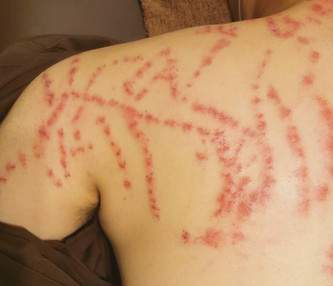

● 強い背中の張り・倦怠感(40代男性)
→ 2回のケアで大きく楽になり、睡眠も改善(※個人の感想です)
marked improvement in 2 sessions, with better sleep
(individual experiences vary).


● 骨折術後の激痛で眠れなかった女性(60代)
→ 8回のケアで日常生活での痛みが大きく軽減(※個人の感想です)
pain greatly reduced in daily life after 8 sessions
(results are not guaranteed and vary by individual).
ディープリリース・クロスメソッドは、独自の手技と天然成分クリームを用いて、 深部の癒着した組織と滞留した血液(瘀血)を優しく解放する方法です。 The Deep Release Method® uses specialized manual techniques and a natural therapeutic cream to gently release deep adhesions and stagnant blood (known as “oketsu” in Japanese medicine). “強く押す” とは逆で、穏やかなアプローチで深層に届きます。 Unlike deep-pressure massage, this method reaches deep tissues through gentle, non-invasive techniques. 痛みが驚くほど軽減し、身体が羽のように軽くなります。 Pain decreases dramatically and the body feels noticeably lighter. 使用クリームについて About the Therapeutic Cream 100%天然由来の保湿・整肌成分をブレンドした 特別なクリームを使用します。 We use a unique therapeutic cream made from 100% natural botanical extracts. 皮膚を保護しつつ柔らかくし、深部へのアプローチを助けます。 It softens, protects, and enhances penetration of gentle manual techniques. スクワラン、ブドウ種子、芍薬、当帰、紫根、ハーブ類、ビタミンEなど 多くの天然エキスを配合しています。 It contains squalane, grape seed, paeony, angelica root, purple gromwell, multiple herbal extracts, and vitamin E.
やさしい整体が基本。 深めのアプローチはご希望に合わせて 当院の施術は、まず やさしい整体が基本です。 強い刺激に不安がある方、初めての方でも受けやすいよう、 無理のないソフトタッチで全身を整えていきます。 一方で、深層の癒着・筋膜の抵抗・可動域制限が明確な場合には、 新日本延命学 / ディープリリースメソッドを用いることで より深い層へアプローチすることも可能です。 ただし 深部アプローチは必須ではありません(希望制) ● 痛みが苦手 → ソフト整体のみで施術 ● 効果を優先したい → 深部リリースを追加可能 その日の状態に応じて、刺激の強さや深さは細かく調整できます。 無理な我慢は必要ありません。 強い刺激を感じた場合は、遠慮なくお知らせください。 身体が安心できるレベルで施術を進めます。 Gentle by default. Deep work only if you request it. Our treatments begin with a gentle, low-pain approach. This allows even first-time clients or those sensitive to pressure to receive care in a safe and relaxed way. However, when deep fascial restrictions or limited mobility are present, we can add optional techniques such as Shin-Nihon Enmeigaku and the Deep Release Method to work into deeper layers of tissue. These deeper methods are optional, not mandatory. ● Prefer comfort → gentle session only ● Want more improvement → deep release can be added Pressure and intensity can be adjusted at any moment. You never need to tolerate excessive discomfort. If anything feels too intense, please let us know. We will always work within a level that feels safe for your body.
────────────
まずはご相談ください
小さな違和感でも、お気軽にどうぞ。
────────────
🟢 電話で相談する:086-431-2480
🟢 LINEで相談/予約
🟢 メール / Email Us

🔷 For International Clients
To ensure accurate communication,
we kindly request that all non-Japanese speakers contact us via LINE or E-mail.
Phone support is currently available in Japanese only.
Thank you for your understanding and cooperation.
